

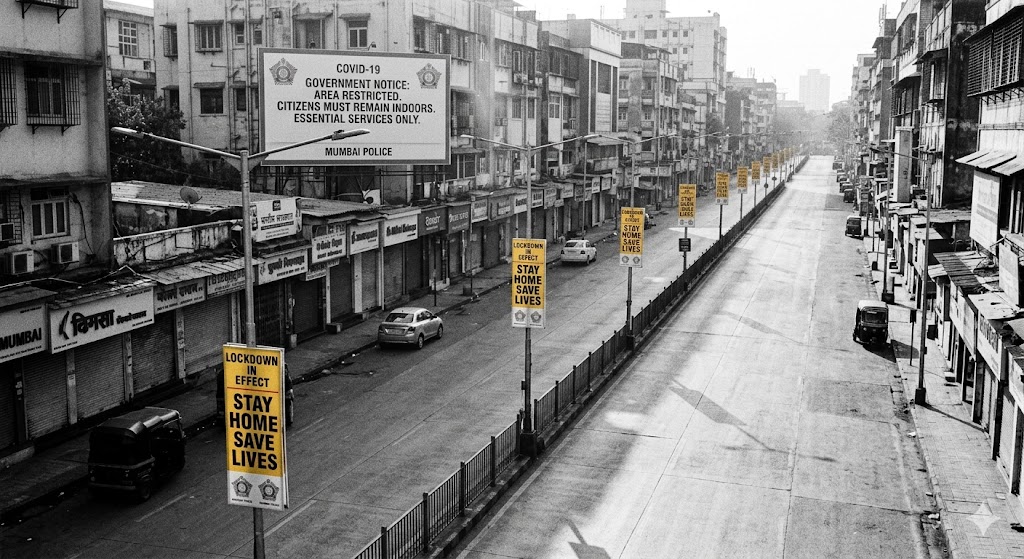
In recent days, conversations about a possible lockdown in India 2026 have captured public attention. Many people have been concerned about whether movement restrictions could return, especially in light of ongoing global tensions and memories of the COVID-19 lockdown. While the circumstances are very different today, these concerns are understandable given disruptions in fuel supplies and trade caused by the Middle East conflict.
It’s crucial to distinguish fact from speculation. Although the topic is trending online and in media discussions, there has been no official announcement of any new nationwide lockdown. The government’s focus remains on stability, preparedness, and ensuring essential services continue without disruption.
Why the Speculation About a Lockdown in India 2026 Started
The recent wave of concern can be traced to statements made by Prime Minister Narendra Modi during his addresses in the Lok Sabha and Rajya Sabha about the ongoing West Asia conflict. While discussing the global situation, he recalled how India faced the COVID-19 pandemic and managed associated supply chain disruptions. Emphasizing the importance of preparedness and unity, he reminded citizens of the coordinated efforts during the pandemic.
Although PM Modi never mentioned a lockdown, his references to past restrictions and the call for readiness led some to interpret the speeches as a hint of possible measures. His remarks, coupled with heightened public sensitivity to global events, created a climate of speculation that spread quickly across social media and search engines.
Memories of Restrictions and Supply Concerns
The public’s anxiety is also fueled by memories of the strict 2020 nationwide lockdown, which limited movement across the country to contain the COVID-19 outbreak. Today, reports of potential LPG supply disruptions and aviation delays due to the Middle East conflict have intensified these concerns. Several airports in the Gulf region have seen operational disruptions, indirectly affecting fuel prices, trade, and the availability of essential goods in India.
Even though these challenges are real, they are economic and logistical in nature, not a signal of government-imposed restrictions. Understanding the difference between factual supply issues and speculation about movement restrictions is essential for staying calm and informed.
Why People Are Talking About a Lockdown
The combination of political commentary, historical experience, and global events has naturally led people to question whether restrictions might return. While memories of past lockdowns remain strong, it is important to remember that today’s circumstances are very different. COVID-19 is no longer a major public health threat, and India’s healthcare system is far better equipped to handle emergencies.
Searches about lockdowns have also reflected concern over fuel prices, fertiliser availability, and the stability of essential goods. While these are legitimate issues, they do not indicate any imminent restrictions on travel, business, or daily life.
Government’s Position and Preparedness
Despite online chatter, authorities have confirmed that no new nationwide lockdown is planned. Instead, expert committees are focusing on monitoring fuel, gas, and fertiliser supplies, ensuring that disruptions are managed efficiently. This proactive approach aims to maintain stability in supply chains and prevent unnecessary economic or social disruption.
Unlike the 2020 lockdown, which was a reactive public health measure, current strategies emphasize planning and preparedness. Citizens are encouraged to rely on official updates and practical guidance rather than rumours or online speculation.
Learning from the 2020 Lockdown
The nationwide lockdown in March 2020 was a historic step to contain COVID-19. Movement was restricted for 21 days, businesses were temporarily closed, and millions of Indians adapted to a new way of living. At that time, India had roughly 500 confirmed cases, and strict measures were necessary to prevent rapid viral spread.
In 2026, however, the situation is entirely different. COVID-19 is no longer classified as a global health emergency, vaccines and treatments are widely available, and India’s infrastructure is better prepared for emergencies. This makes the likelihood of a nationwide lockdown extremely low.
Separating Fact from Rumours
Much of the concern surrounding a potential lockdown stems from rumours and misinterpretations. Social media posts, speculative news, and viral messages can easily create a sense of urgency. In reality, official statements emphasize monitoring, supply chain management, and economic stability, not movement restrictions.
By focusing on verified information, citizens can avoid unnecessary panic, hoarding, or disruptions to their daily routines. Understanding the difference between public concern and government action is essential for staying informed and maintaining a sense of normalcy.
Conclusion
While discussions about a lockdown in India 2026 have sparked public curiosity, there is no official plan to impose restrictions. Global events, such as the Middle East conflict and fuel supply concerns, have influenced public perception, but they do not equate to a government directive for a nationwide lockdown.
By staying informed through verified channels and focusing on practical preparedness rather than speculation, you can navigate these discussions calmly. The government’s priority is stability, supply continuity, and reassurance, ensuring that citizens’ daily lives continue without disruption.
Frequently Asked Questions (FAQs)
Q1. Is India going into a lockdown in 2026?
No. The government has not announced any nationwide restrictions.
Q2. Why are people concerned about a lockdown?
Concerns stem from PM Modi’s speeches about preparedness, memories of past COVID restrictions, and current global supply challenges.
Q3. Could local restrictions happen?
Only in the case of a specific public health or emergency situation, which is not currently present.
Q4. How can I verify lockdown information?
Follow official government announcements and verified news sources rather than social media speculation.
Q5. How can I stay prepared without panic?
Maintain regular planning, avoid hoarding, and monitor updates from credible authorities.
Source: https://www.livemint.com/news/india/why-is-india-lockdown-again-trending-amid-middle-east-conflict-and-after-six-years-of-covid19-11774364409290.html
